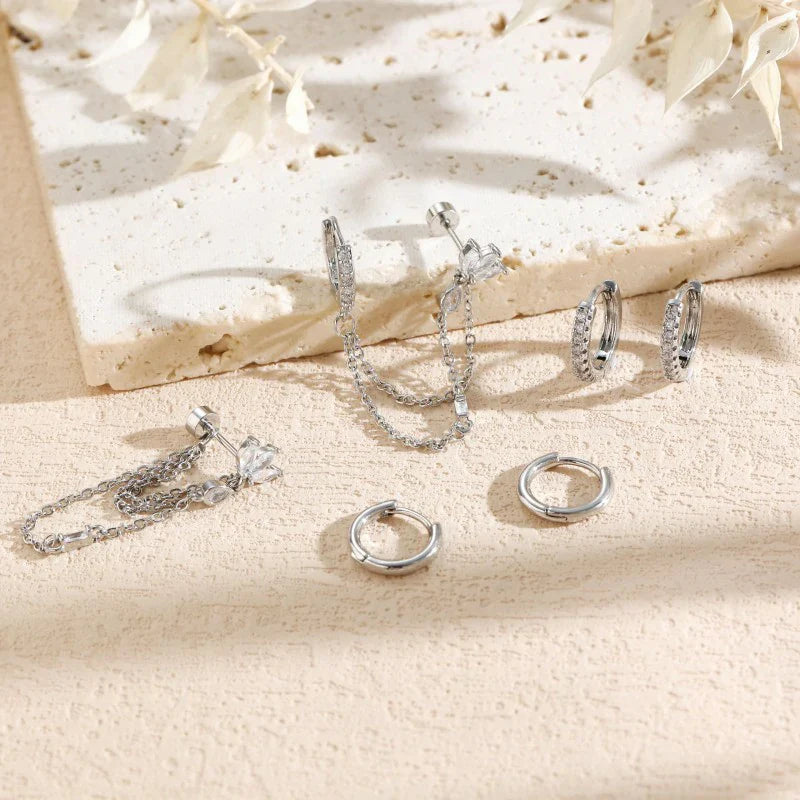
A piercing bump that won’t go away can be frustrating, especially when your piercing seemed to be healing normally at first.
In many cases, a persistent piercing bump is caused by ongoing irritation, friction, pressure, jewelry issues, or aftercare habits. However, not every bump has the same cause. Some may be irritation bumps, while others can be related to infection, allergic reactions, scarring, or other skin conditions.
The first step is to understand what may be irritating your piercing and then make simple changes to reduce unnecessary stress on the area.
In this guide, we’ll explain why piercing bumps happen, how to care for an irritated piercing, how jewelry material and fit can affect healing, and when you should seek professional help.
What Is a Piercing Bump?
A piercing bump is a raised area of tissue that develops around or near a piercing.
It may appear as:
-
A small red or pink lump
-
A skin-colored bump
-
Swelling around the piercing hole
-
A slightly sore or tender area
-
A bump that becomes more noticeable after irritation
One common cause is mechanical irritation during the healing process.
However, it is important not to assume that every bump is simply an irritation bump. Different conditions can look similar, so changes such as increasing pain, warmth, spreading redness, or unusual discharge should not be ignored.
Why Does My Piercing Bump Keep Coming Back?
If your piercing bump keeps returning, there may be something continuously irritating the piercing.
Here are some of the most common causes.
1. Constant Irritation
Repeatedly touching or moving your piercing can prevent irritated tissue from settling down.
Common sources of irritation include:
-
Touching the jewelry unnecessarily
-
Twisting or rotating the jewelry
-
Playing with the jewelry
-
Catching it on clothing
-
Pulling it accidentally
-
Snagging it with hair or towels
Even small amounts of repeated trauma can make a healing piercing more sensitive.
The best approach is to clean your piercing gently and then leave it alone.
2. Friction and Pressure
Friction and pressure are common reasons a piercing bump refuses to go away.
Different piercings can experience pressure from different sources:
-
Ear cartilage: sleeping directly on the piercing
-
Navel: tight waistbands or clothing
-
Nipple: repeated friction from clothing
-
Nose: glasses, masks, or accidental bumps
-
Facial piercings: towels, clothing, or frequent touching
If something repeatedly rubs against your piercing, the tissue may remain irritated.
Reducing pressure can be just as important as maintaining a good cleaning routine.
3. Over-Cleaning or Harsh Aftercare
Keeping a piercing clean is important, but excessive cleaning can also cause irritation.
Avoid using harsh products such as:
-
Rubbing alcohol
-
Hydrogen peroxide
-
Strong antiseptic solutions
-
Undiluted essential oils
-
Harsh exfoliating products
For routine care, a sterile saline wound wash is generally a gentler option.
A simple and consistent aftercare routine is usually better than applying multiple products to the piercing.
4. Low-Quality or Unsuitable Jewelry
The jewelry in your piercing can also contribute to irritation.
Some people may react poorly to certain metals or alloys, while rough or poorly finished jewelry can create additional friction.
When choosing body jewelry, commonly recommended options include:
-
Implant-grade titanium
-
Niobium
-
High-quality solid gold suitable for body piercing
Implant-grade titanium is especially popular for healing piercings because it is lightweight, durable, and suitable for many people who are sensitive to certain metals.
Material is important, but jewelry size and fit matter too.
5. Jewelry That Is Too Tight or Too Loose
Incorrect jewelry sizing can place unnecessary stress on a piercing.
Jewelry that is too tight may:
-
Put pressure on the piercing
-
Increase discomfort
-
Make swelling more difficult to manage
-
Become embedded if swelling is significant
Jewelry that is too long may:
-
Move excessively
-
Catch on clothing or hair
-
Get bumped more easily
-
Create repeated friction
The correct jewelry size depends on the piercing location, anatomy, swelling, and jewelry style.
If you think your jewelry does not fit properly, it is best to have a professional piercer assess it rather than changing it yourself while the piercing is irritated.
6. Changing Jewelry Too Soon
A piercing may look healed on the outside while the inside is still recovering.
Changing jewelry too early can cause additional trauma to the piercing channel. This may lead to renewed swelling, irritation, or a new bump.
This is particularly important for cartilage and other piercings that can take longer to heal.
If your piercing is still tender, swollen, crusting heavily, or developing bumps, consider having a professional piercer check it before changing the jewelry.
How to Get Rid of a Piercing Bump
There is no single solution for every piercing bump because the underlying cause matters.
The most important step is to identify and reduce whatever is irritating the piercing.
Keep Aftercare Simple
Clean the piercing with a suitable sterile saline solution and follow a consistent routine.
Avoid repeatedly cleaning the area throughout the day. Excessive cleaning can dry out and irritate the surrounding skin.
Don't Touch or Rotate the Jewelry
Avoid twisting, spinning, pushing, or pulling the jewelry.
Unnecessary movement can irritate the piercing, while touching it with unwashed hands can introduce bacteria.
After cleaning, leave the jewelry in its natural position.
Reduce Friction and Pressure
Think about what comes into contact with your piercing throughout the day.
You may need to:
-
Change your sleeping position
-
Avoid tight clothing
-
Keep hair away from the piercing
-
Be careful when drying with towels
-
Avoid activities that repeatedly snag or hit the jewelry
Finding the source of irritation can be one of the most effective ways to help a piercing settle.
Check Your Piercing Jewelry
If a bump continues to return, take a closer look at your jewelry.
Consider:
-
Material: Is it made from a suitable body-jewelry material?
-
Size: Is it too tight or too long?
-
Weight: Is the jewelry unnecessarily heavy?
-
Surface: Is the jewelry smooth and well finished?
-
Style: Is the design appropriate for the location?
For healing piercings, lightweight jewelry made from appropriate materials can help minimize unnecessary irritation.
Be Patient
Piercing bumps usually do not disappear overnight.
Once the source of irritation has been removed, the tissue may need time to calm down. Avoid constantly changing your jewelry or aftercare routine simply because the bump has not disappeared after a few days.
Consistency and patience are important during piercing healing.
Can Jewelry Cause a Piercing Bump?
Yes. Jewelry can contribute to irritation when the material, size, shape, weight, or surface finish is unsuitable for the piercing.
For example, jewelry that is too heavy can place additional stress on the tissue, while jewelry that is too long may move and snag more easily.
When choosing piercing jewelry, appearance is only one consideration. Comfort, material, size, and fit are equally important.
What Is the Best Jewelry Material for a Healing Piercing?
For many healing piercings, implant-grade titanium is a popular choice.
Other materials may also be appropriate depending on the piercing and individual needs.
When selecting jewelry, look for products designed specifically for body piercing and pay attention to the quality of the material and finish.
If you have experienced repeated irritation, a professional piercer can help determine whether your jewelry material or design could be contributing to the problem.
Should I Remove My Jewelry If I Have a Piercing Bump?
Not necessarily.
Removing jewelry does not automatically solve the cause of a piercing bump. If the piercing is irritated or potentially infected, removing the jewelry without professional advice may sometimes complicate the situation.
If you believe the jewelry is too tight, too long, or made from a material that is irritating your skin, have a professional piercer assess the piercing.
If you suspect an infection, seek advice from a qualified healthcare professional.
Piercing Bump vs. Keloid: Are They the Same?
No.
A small bump around a piercing is not automatically a keloid.
An irritation bump may develop because of friction, pressure, trauma, or other irritation during healing.
A keloid is a type of raised scar tissue that can extend beyond the original wound and continue growing.
Because different conditions can look similar, it is difficult to identify a keloid or another skin condition based only on appearance.
If a bump continues growing, becomes unusually firm, extends beyond the piercing area, or does not improve, consider getting it evaluated by a healthcare professional.
When Should You Be Concerned About a Piercing Bump?
A piercing bump may require professional attention if you notice:
-
Increasing or severe pain
-
Significant warmth around the piercing
-
Redness that continues spreading
-
Increasing swelling
-
Thick or unusual discharge
-
Fever or feeling unwell
-
Jewelry becoming embedded in the tissue
-
Rapidly worsening symptoms
These symptoms can indicate a problem that requires medical evaluation.
If you think your piercing may be infected, do not rely on home remedies alone. A healthcare professional can determine whether further treatment is needed.
How to Prevent Piercing Bumps
Preventing irritation starts before you even get your piercing.
Choose Suitable Jewelry
When selecting initial or replacement jewelry, consider:
-
High-quality materials
-
Appropriate sizing
-
A smooth surface
-
Lightweight designs when appropriate
-
A style that suits the piercing location
Implant-grade titanium is a common choice for many types of body jewelry.
Avoid Unnecessary Contact
Once your piercing has been cleaned, avoid touching or moving it unnecessarily.
Be especially careful when:
-
Sleeping
-
Changing clothes
-
Washing your hair
-
Drying with a towel
-
Exercising
-
Wearing headphones or helmets
Follow a Simple Aftercare Routine
Avoid experimenting with multiple harsh products.
Instead, focus on gentle cleaning, reducing irritation, and giving the piercing enough time to heal.
Piercing Bump Care: Quick Checklist
If your piercing has a bump that won't go away, use this checklist:
| What to Check | What to Do |
|---|---|
| Touching | Leave the jewelry alone |
| Cleaning | Keep aftercare gentle and consistent |
| Friction | Reduce rubbing and snagging |
| Sleeping | Avoid putting pressure on the piercing |
| Jewelry material | Choose suitable, high-quality body jewelry |
| Jewelry size | Make sure it is not too tight or excessively long |
| Jewelry weight | Avoid unnecessary weight during healing |
| Symptoms | Watch for increasing pain, redness, swelling, or discharge |
Frequently Asked Questions
Why won't my piercing bump go away?
A piercing bump may persist because something is still irritating the piercing. Common causes include friction, pressure, touching, poor jewelry fit, unsuitable materials, or changing jewelry too early.
The best approach is to identify the source of irritation rather than repeatedly treating the bump itself.
How long does a piercing bump last?
There is no universal timeline.
Some irritation bumps may improve after the source of irritation is removed, while others can take weeks or longer to settle. The healing time depends on the piercing, the cause of irritation, and how your body responds.
Should I pop a piercing bump?
No.
Do not squeeze, puncture, or pop a piercing bump. Doing so can cause additional trauma and may introduce bacteria into the area.
Instead, reduce irritation and maintain gentle aftercare.
Should I use tea tree oil on a piercing bump?
It is generally better to avoid concentrated essential oils and harsh home remedies on a healing piercing.
A simple saline-based aftercare routine is a more appropriate approach for routine piercing care.
Can I change my piercing jewelry if I have a bump?
It depends on the cause.
If the jewelry is contributing to irritation because of its material or fit, replacing it with a more suitable piece may help.
However, changing jewelry yourself while the piercing is irritated can cause additional trauma.
A professional piercer can assess the piercing and recommend whether changing the jewelry is appropriate.
Is a piercing bump an infection?
Not necessarily.
Irritation and infection are different problems, although some symptoms can overlap.
Increasing pain, spreading redness, significant warmth, swelling, unusual discharge, or feeling unwell should be taken seriously.
If you are unsure whether your piercing is infected, seek professional medical advice.
Can low-quality jewelry cause piercing bumps?
It can contribute to irritation.
Certain materials may not be suitable for everyone, while rough surfaces, poor finishes, or inappropriate jewelry designs can cause additional friction.
Choosing reputable body jewelry made from suitable materials, such as implant-grade titanium, can help reduce potential irritation.
Can a piercing bump leave a scar?
Persistent inflammation and repeated trauma can affect how tissue heals and may contribute to scarring.
Avoid picking, squeezing, or repeatedly irritating the bump.
If the tissue continues to change or the bump becomes larger, consider having it evaluated by a healthcare professional.
Can I sleep on a healing piercing?
It is best to avoid putting direct pressure on a healing piercing, particularly cartilage piercings.
Sleeping directly on the jewelry can create pressure and friction, which may contribute to prolonged irritation and bumps.
What type of jewelry is best for an irritated piercing?
The best choice depends on the piercing location, anatomy, and current condition.
In many cases, lightweight jewelry made from a suitable material, such as implant-grade titanium, can be a practical option.
Proper sizing and a smooth finish are also important.
Final Thoughts
A piercing bump that won't go away is often a sign that something is continuing to irritate the piercing.
Instead of constantly cleaning, touching, squeezing, or changing the jewelry, start by looking for the underlying cause.
Reduce friction and pressure, keep aftercare gentle, avoid unnecessary movement, and make sure your jewelry is made from a suitable material and fits properly.
If the bump continues to worsen or you notice significant pain, spreading redness, unusual discharge, fever, or other concerning symptoms, seek professional medical advice.
When it comes to piercing jewelry, remember that the right material, size, and fit are just as important as the style.
0 comments